 Spreadsheet
Kakobuy Spreadsheet seller tags: hot sale, free shipping, easy returns
Tags are words the seller or the platform chose to print on a listing. Their meaning depends on the platform rules and the seller’s actual offer. Through an agent, each one needs translating against Kakobuy's own rules.
Who writes the tags
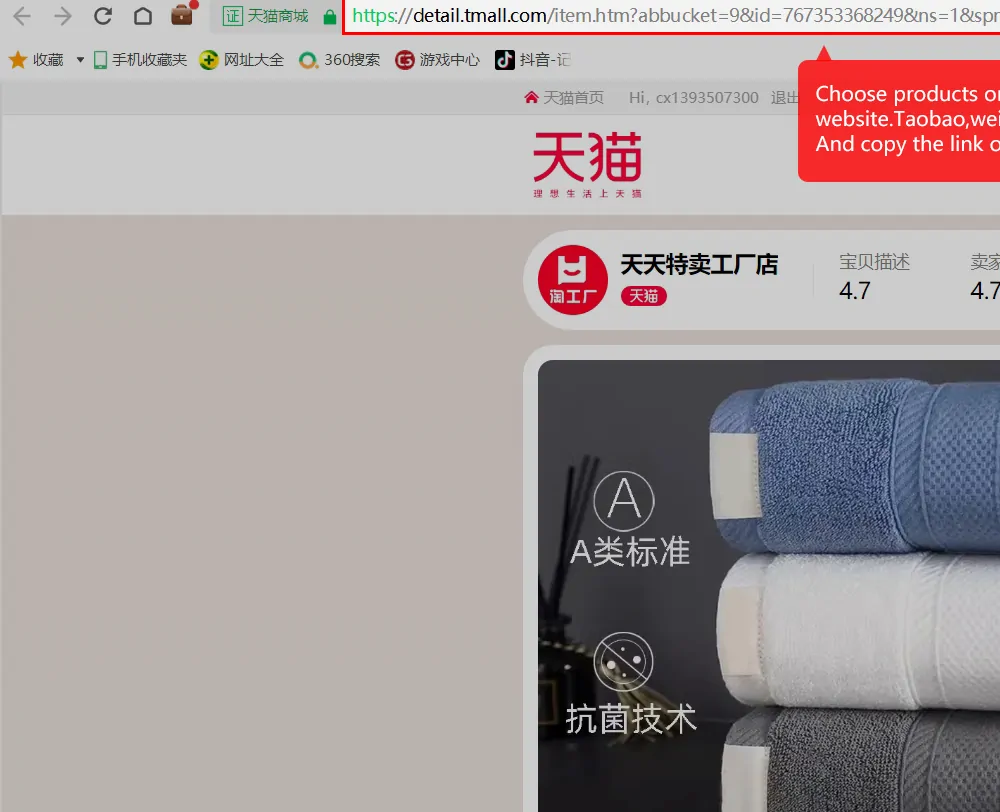
On Taobao, Tmall, Weidian and 1688, the badges around a listing come from two places. The platform awards some: store ratings, shop levels, membership of a guarantee scheme. The seller writes the rest into the title and the photos: hot sale, factory direct, in stock, free shipping, seven-day returns.
Read the platform’s current definition of each badge; a badge is not independent product verification. Kakobuy's own disclaimer (help article 48) leans on exactly that kind of badge: it suggests choosing a well-reputed store with more than three hearts that has paid into the Taobao guarantee, and warns that low-credit sellers without one can mean false delivery, no delivery and no after-sales. Words in a title carry no such weight. "Hot sale" in a title is advertising.
Free shipping covers the first leg only
“Free shipping” on a seller listing commonly concerns the domestic leg, subject to its destination, quantity and offer conditions. Confirm that the actual order to Kakobuy’s warehouse qualifies. It does not establish that overseas freight has been paid.
A combined same-seller purchase may have one domestic-delivery charge under the captured rule, with a possible weight-related shortfall. For a return, the eligible reason and offer terms matter: a customer-reason return may leave one or both domestic legs payable, while an accepted non-customer-fault case can have different treatment. Ask which costs are being charged and why.
A return badge on the listing versus Kakobuy's return rules
A seven-day-return badge belongs to a particular marketplace offer. Kakobuy’s separate published 5-day return and exchange process uses 120 hours from stock-in, relayed to the seller, subject to the seller agreeing, with fixed exclusions. Kakobuy's return policy page adds that it will not accept returns where goods were replaced or parts are missing, where software or discs were opened, or where there is no proof of purchase.
Read the badge as a hint that the seller accepts returns at all, which helps when Kakobuy asks. Do not read it as a seven-day clock running from the day you receive the parcel abroad. By then the window has long closed.
Price tags that change after you pay
Hot listings move price. A flash price, a coupon that expired, a seller who raises the price once an item trends: help article 83 says that when the seller, supplier or manufacturer changes the price, you pay the shortfall, often framed by the seller as a delivery fee.
This is why the price on a catalogue card is a starting point. The card shows what the listing cost when the catalogue last read it. Kakobuy buys at the price on the day. If a shortfall request arrives, compare it with the listing as it stands now. If the jump is large, cancelling at the paid or processing stage returns the money to your balance (help article 87).
Read manual-purchase terms before paying
Links from Xianyu, Xiaohongshu, Bilibili, Yupoo and similar sites cannot be loaded automatically, so they go through the Fill & Buy form, where you type the link, name, specification, price and domestic shipping yourself. Whatever the seller promised on that page stays there.
The captured manual form contains restrictive terms. Kakobuy can only help locate the seller and arrange the purchase. It cannot verify the quality, authenticity or completeness of the products, there is no after-sales service, and once payment is made, refunds, cancellations and mid-process changes are not supported. A trending link shared in a group chat lands in exactly this box. Keep a record of the seller’s promises, but verify which ones the current manual-purchase terms support.
Keep the promise and its conditions together
Save the claim with the selected variant, seller URL and date. Ask whether free shipping covers the actual quantity and destination, or whether a return badge excludes customisation. A promise without its conditions is difficult to use later.
Translate a badge into a question before paying
For “in stock,” ask whether the selected size and colour are available and when the seller expects to dispatch. For “free shipping,” ask which destination and quantity qualify. For a return badge, ask whether the specific item and purchase channel qualify, who must approve the return and which costs remain.
Save the answer beside the badge and the selected option. If it changes before the agent purchases, read the new order message rather than relying on the original screenshot. Cancellation options depend on the actual stage.